Top Five Reasons to “Go Old”

For those of us who have been restoring old timber frames for years, the magic of these buildings goes without saying. But in the more than 30 years since founding Green Mountain Timber Frames,  I have often been asked about the benefits of “going old.” Many customers wonder about the reasons to buy and restore an old frame rather than building a brand new timber frame which replicates the style of a certain era.

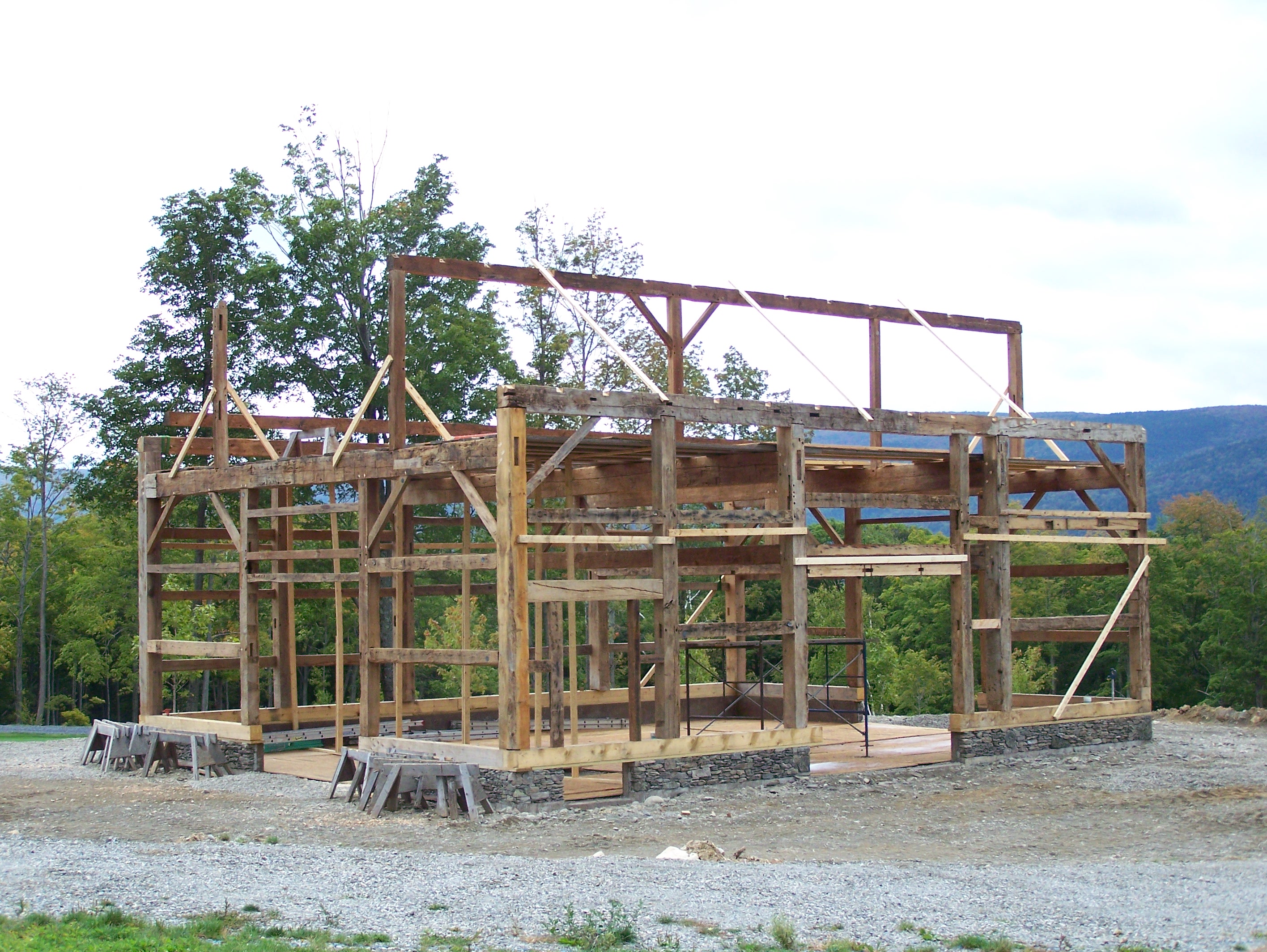
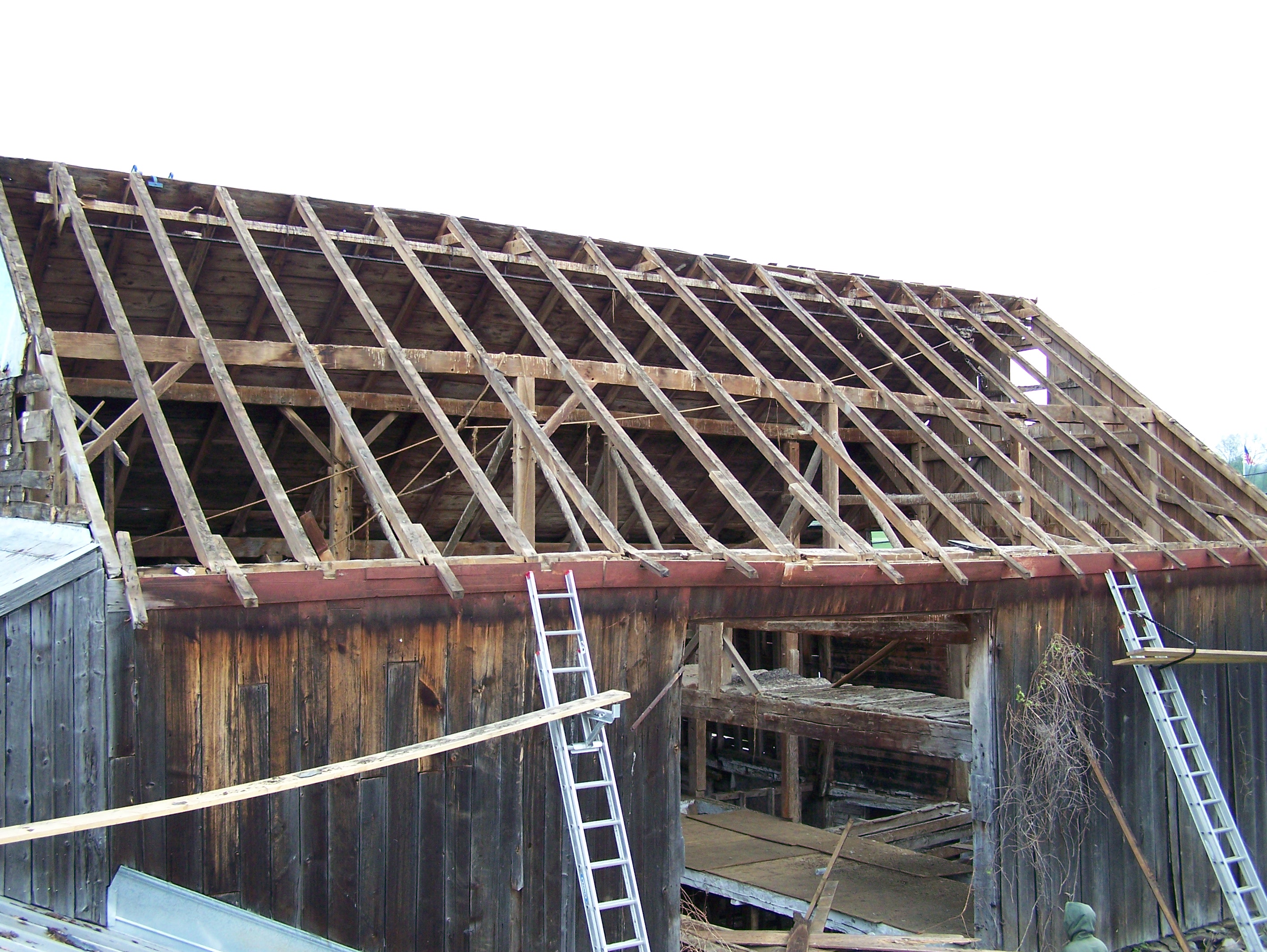
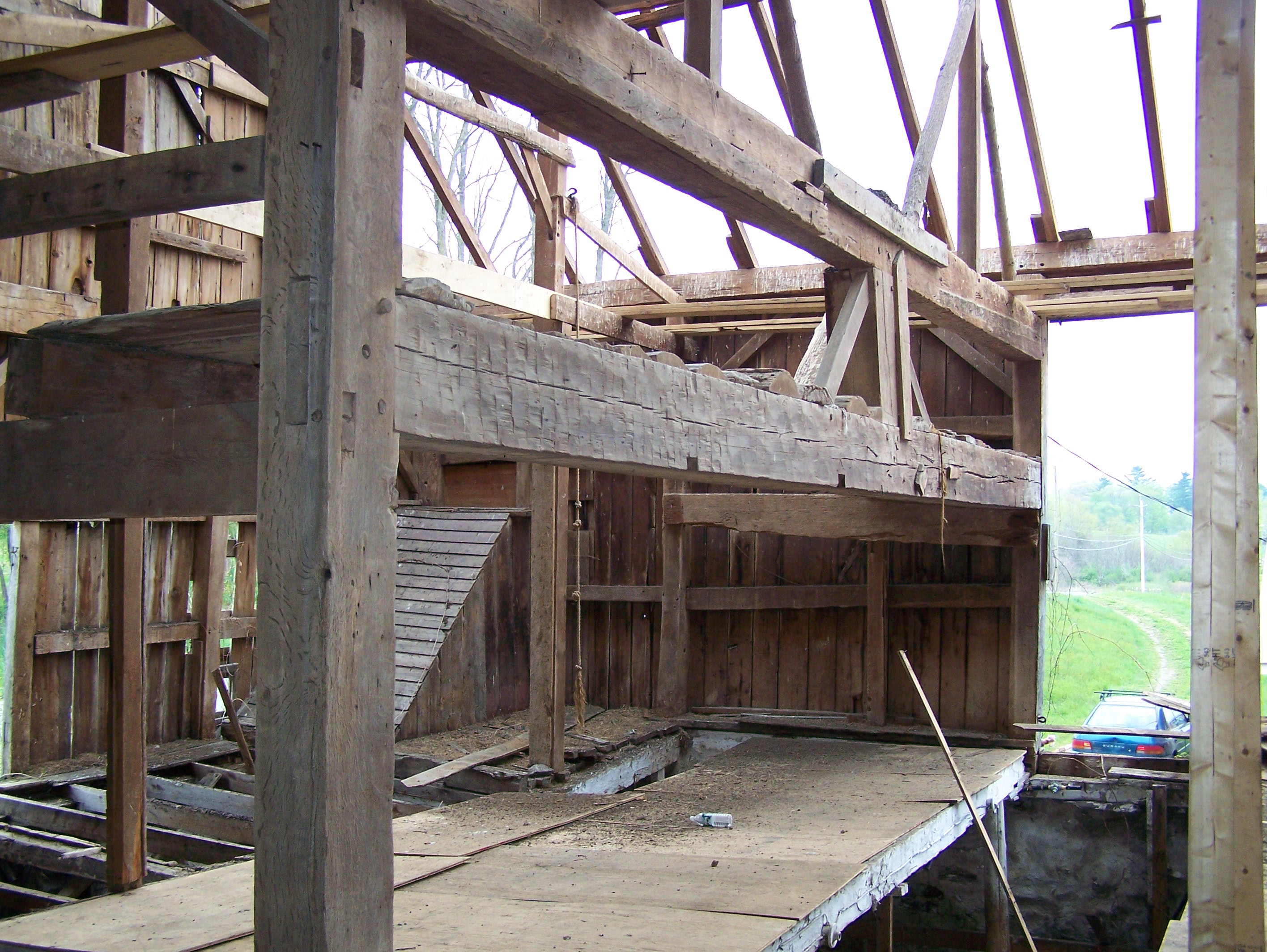
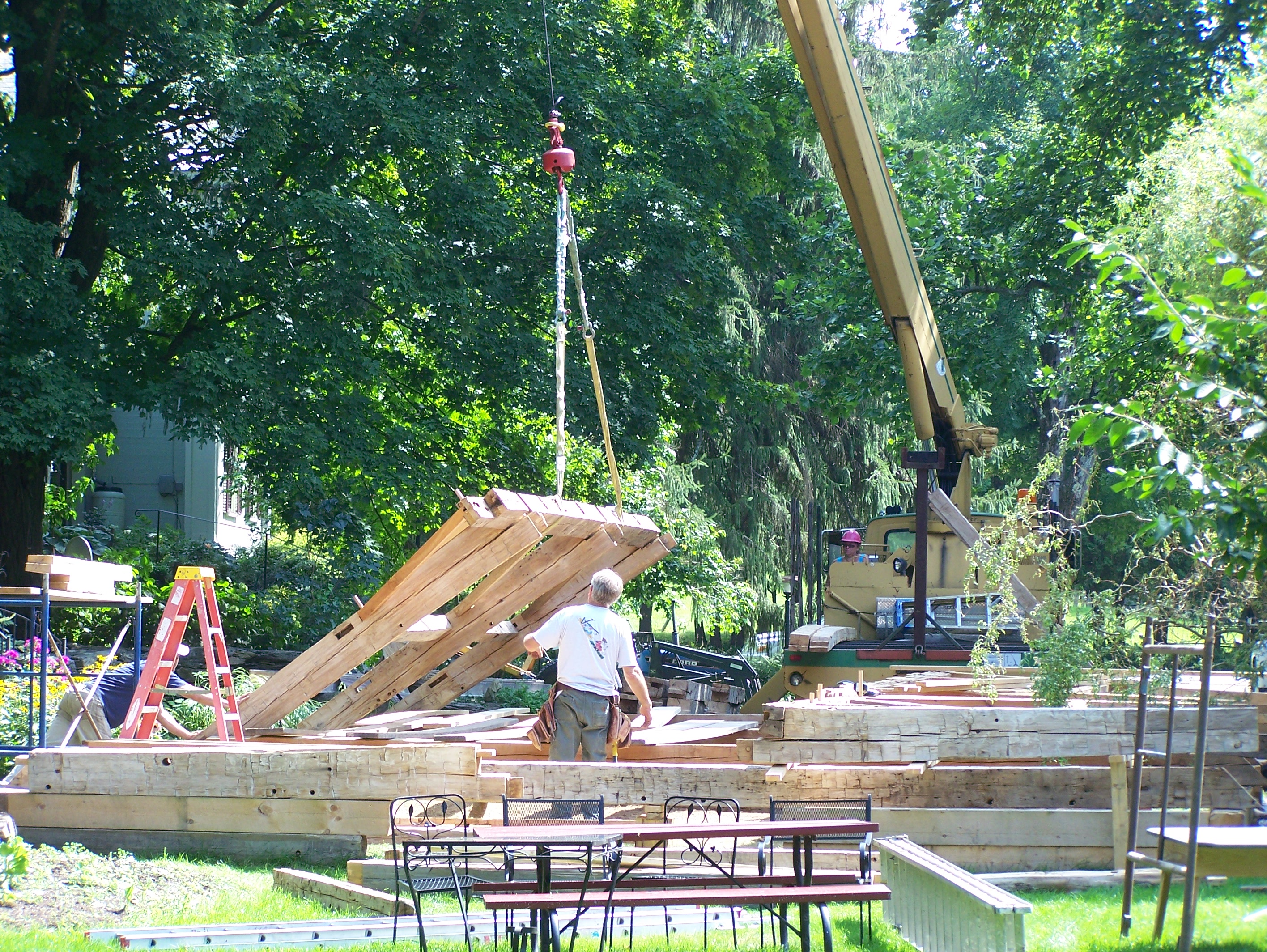
Timber Frame Restoration in new england

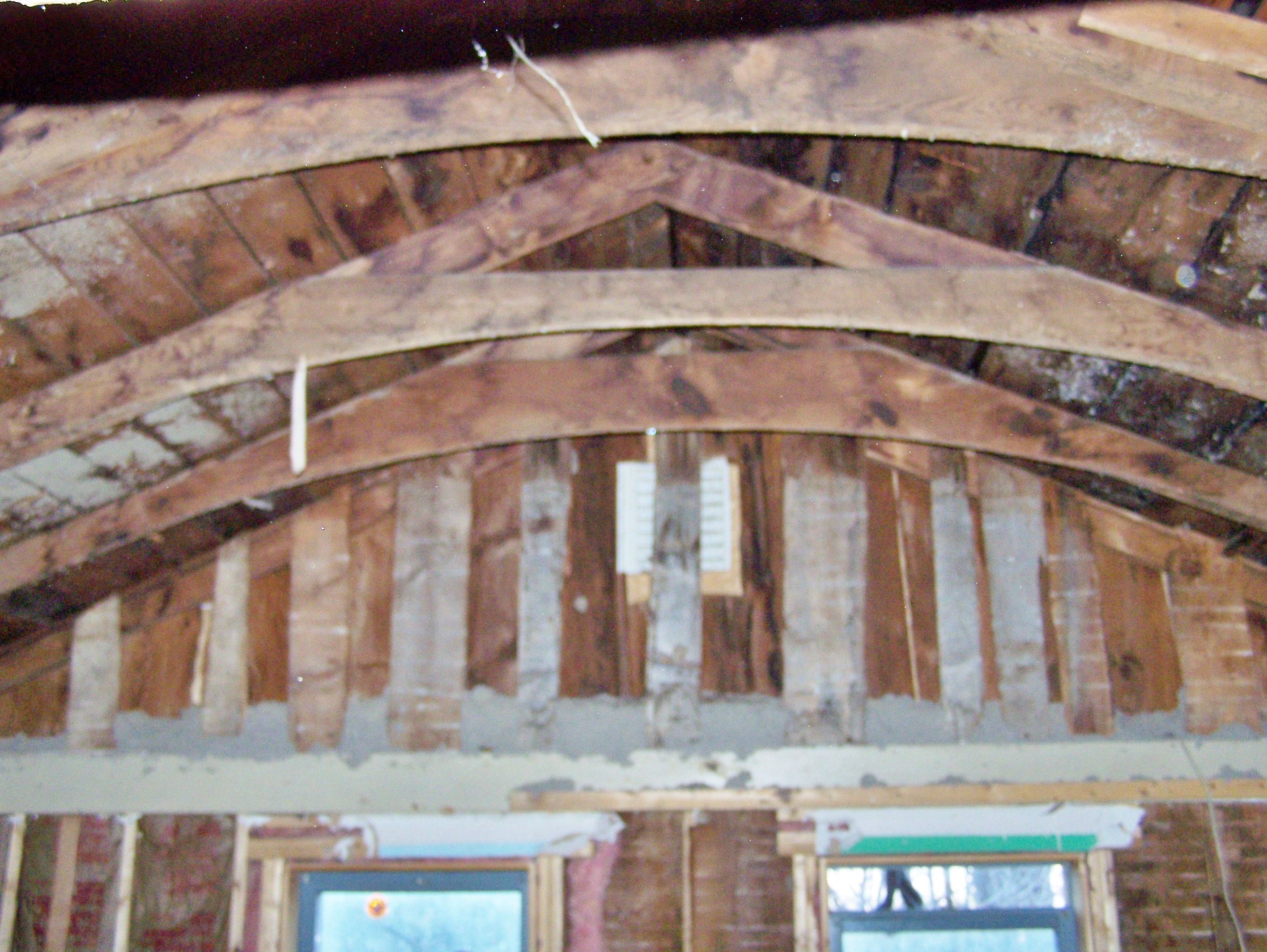
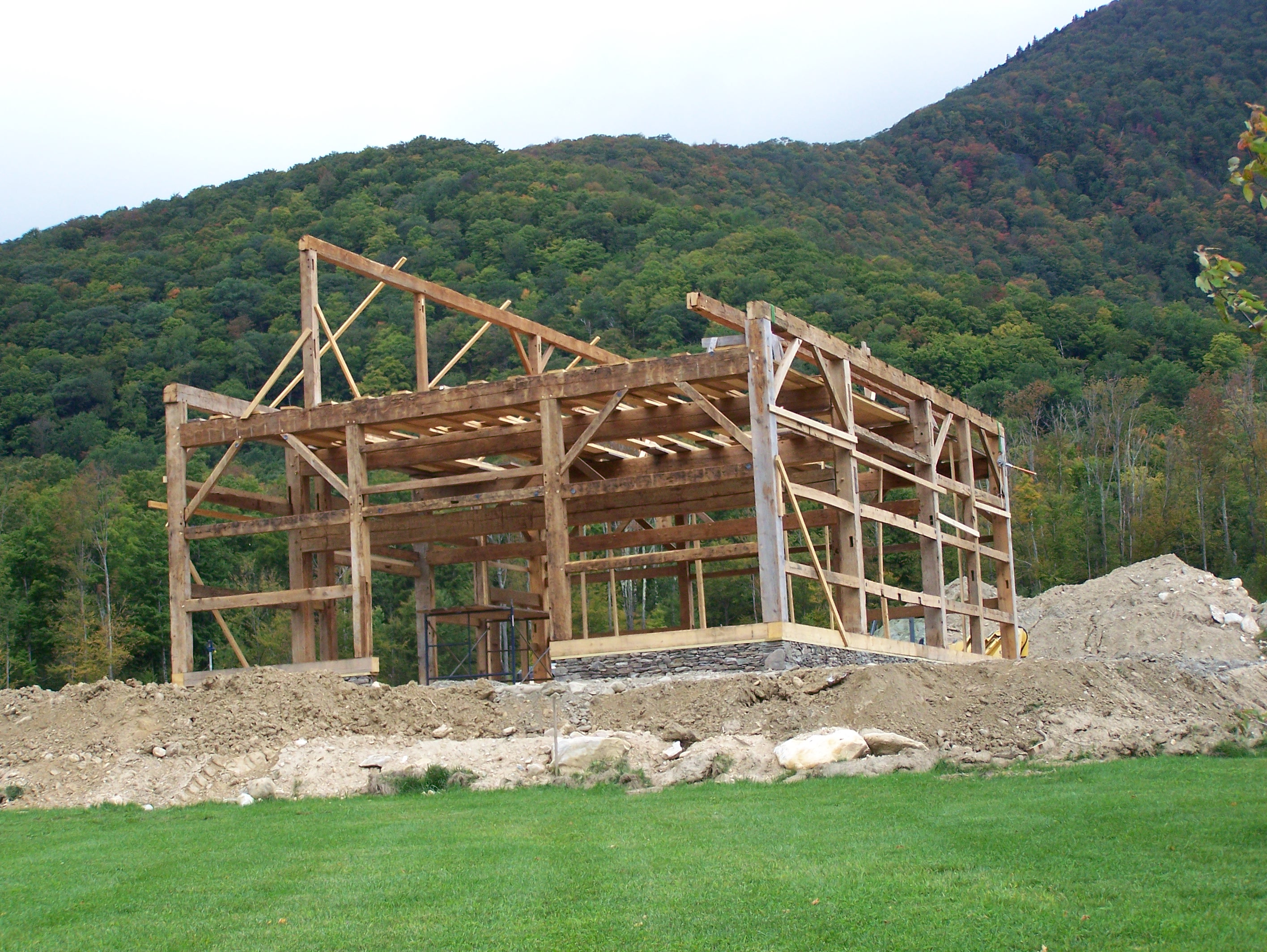
Timber frame during restoration in Rupert, VT

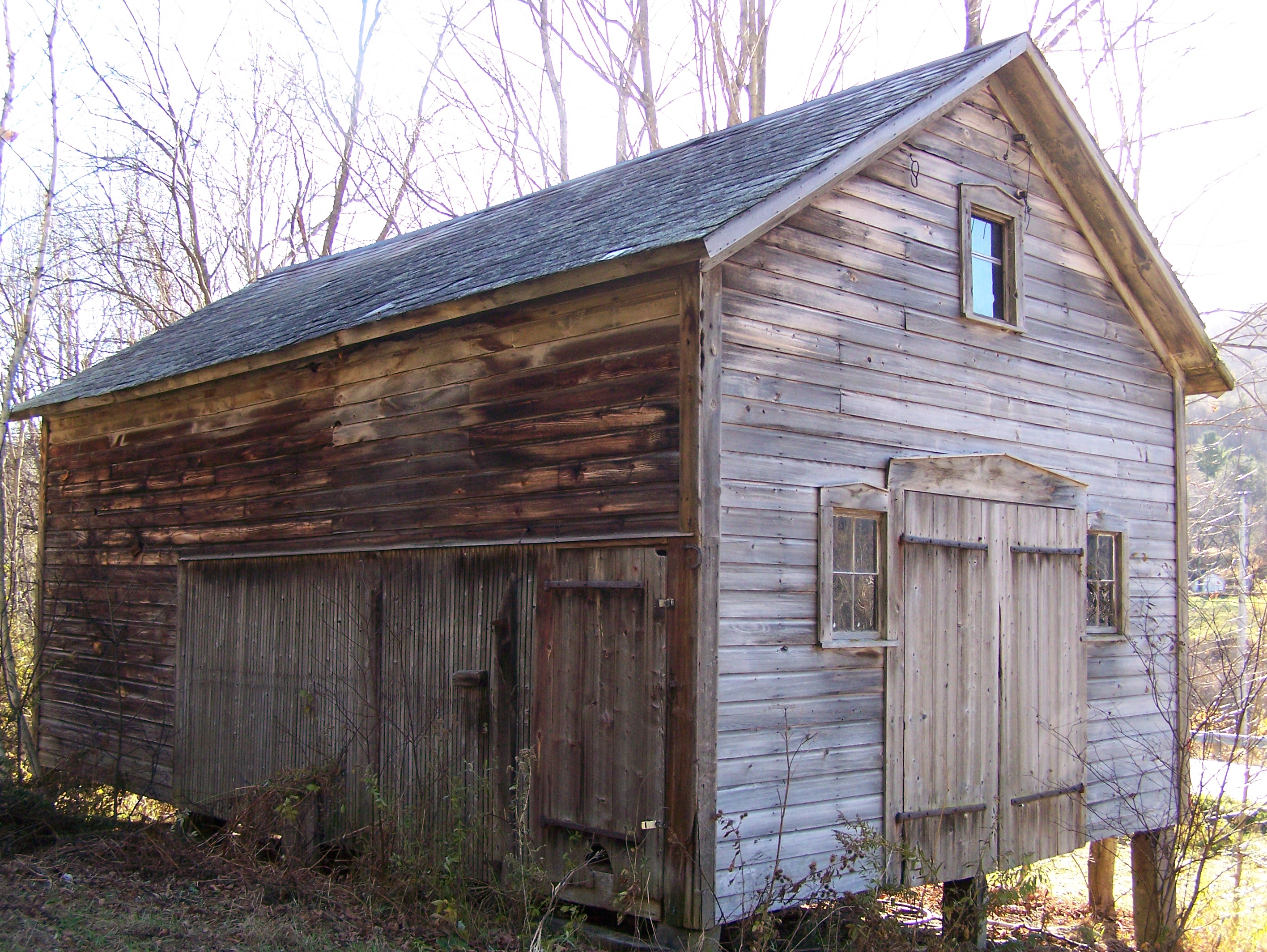
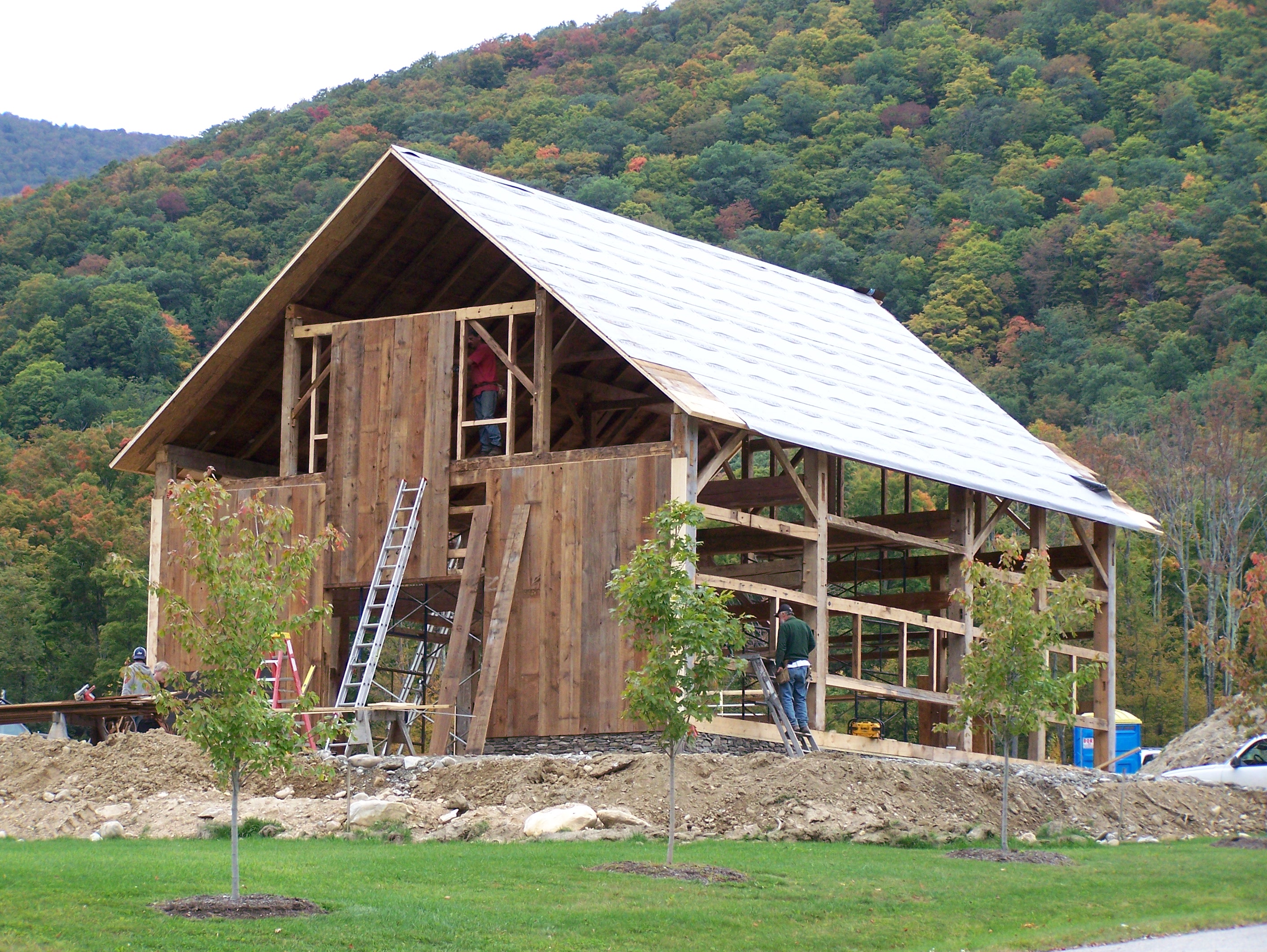
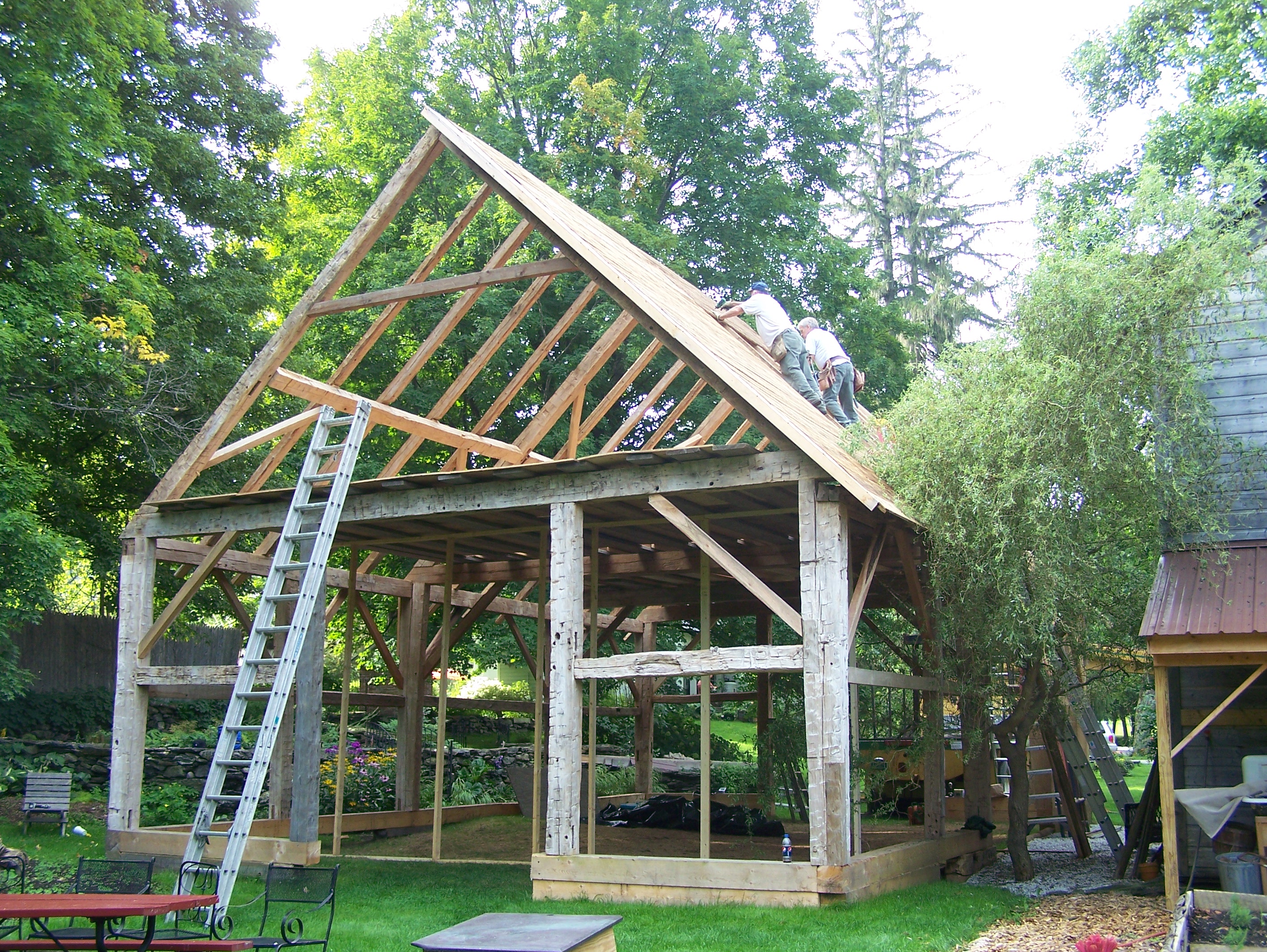
Timber frame Old Barn restored in Vermont

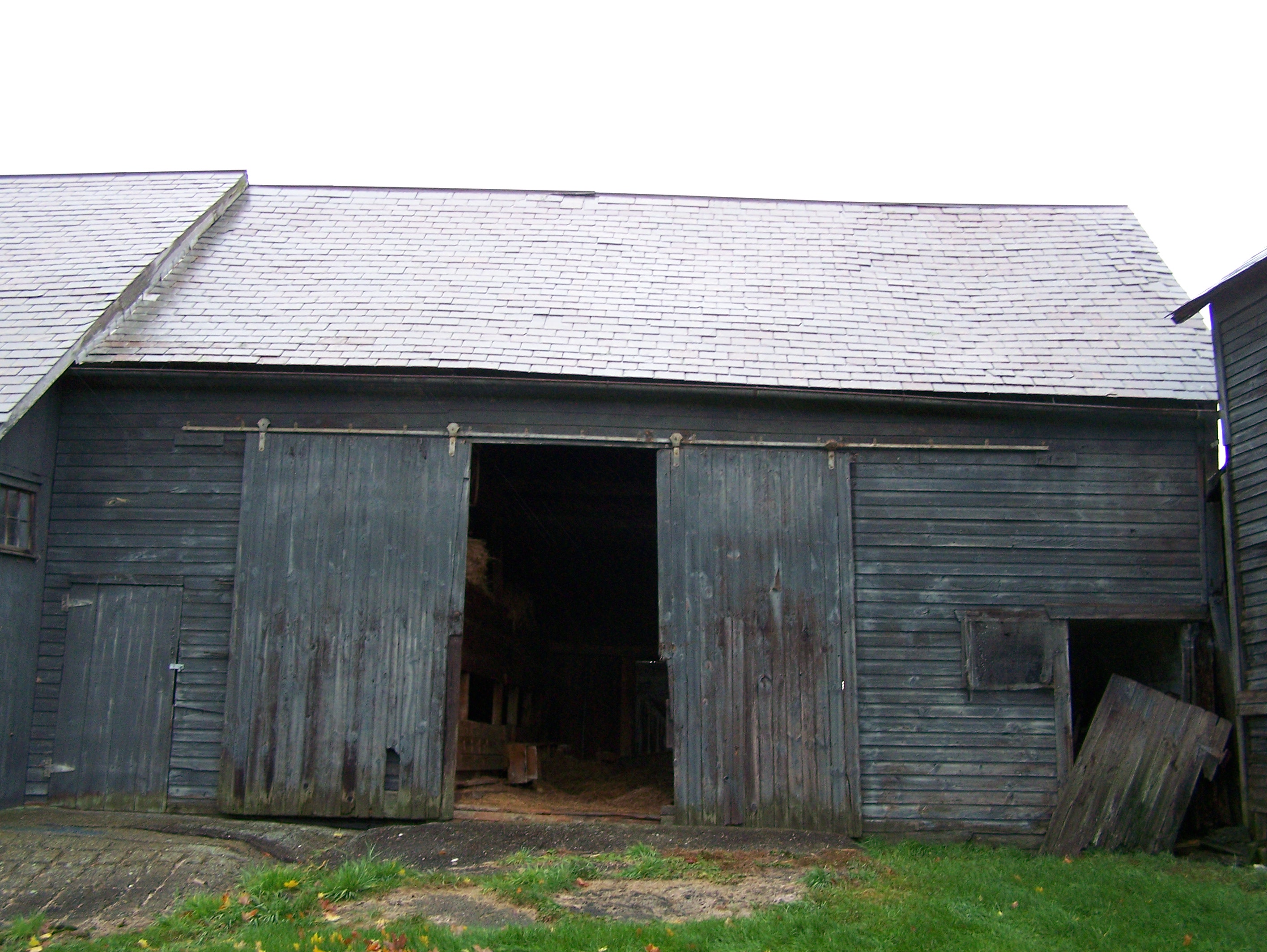
Post restoration, the completed barn

For those of you who may be considering restoring an old New England barn – or any historic building for that matter – this blog is meant to highlight some of the best reasons to go old.

So here they are – in no particular order – my own assessment of the top five reasons to invest in restoring a vintage timber frame!

1) Respect for History

The United States of America is a relatively young country. In many ways we lack a rich architectural heritage like that of Europe, Asia and the Middle East. As our society moves ever faster, we tend to put an emphasis on consumerism and acquisition, promoting what’s new and forsaking the old.

It is up to us to preserve the historical artifacts that remain from our not-so-distant past.

The old barns that dot New England’s landscape tell of a time when colonialists from Europe ventured across the vast Atlantic in hopes of creating a better life for their families. They and their decedents built these barns, and also fought in the American Revolution and Civil War. It is these same people who created the foundation of our society today.

The structures we preserve at Green Mountain Timber Frames are the homes they lived in, the storehouses that kept their grain dry and the barns that housed their livestock. It is these historic barns that are disappearing, dissolving slowly into the landscape as they fall into disrepair and neglect, or are simply torn down. By saving and restoring an old barn, we are doing our part in preserving the history of this country for generations to come.

2) Preservation Matters

In a society where new things are acquired constantly from box stores, outlets and through Internet transactions, we tend to forget that resources are limited and that not everything, always will be replaceable.

By restoring historic timber frames, we are doing our part in preserving some of the most precious resources of our world. We are reusing wood of the finest quality rather than cutting down new trees and letting old frames rot.

And in addition to the physical preservation, we are preserving stories as well – and a way of life and a style of construction that has long since been replaced by more modern techniques.

3) The Unmatched Elegance of Old Wood

The hand hewn look and feel of old wood cannot be replicated in a building made of new posts and beams. The patina that surfaces after old hand hewn beams have been washed varies greatly, depending on the type of wood: chestnut becomes honey blond; pine becomes dark golden. These beautiful textures cannot be manufactured. Like fine wine, the craftsman’s original art improves with age.

While it may not be scientific or measurable, there is a real sense of magic that comes from living in a building built centuries ago. The romance and the history have soaked into the timbers and each restored barn brings with it a special feel – an energy that seeps through the walls or flickerings of memories from previous owners. Even the finest replicas cannot quite capture the special feeling that comes from living in a historic building.

4) Trees – they don’t make them like they used to!

Timber frames built before 1800 were constructed from trees that had never been intentionally grown and harvested. The forests were “original,” the trees hundreds of years old. In steep contrast to these old growth trees which boast 40-60 growth rings per inch, today’s trees have only 6 to 10 growth rings per inch and are intentionally planted and farmed. The old trees stood close together, allowing for the tight growth rings to form. Structurally, old growth wood is a very different timber with far more strength and fewer knots. The factory wood used today simply cannot compete.

5) Timbers tell stories

Listen carefully and every timber frame will reveal stories about its past. In some frames we have restored, these stories are told in newspapers stuffed between timbers or old coins found buried beneath the floor boards. In others, there are old numbering systems to be deciphered on the original timbers.

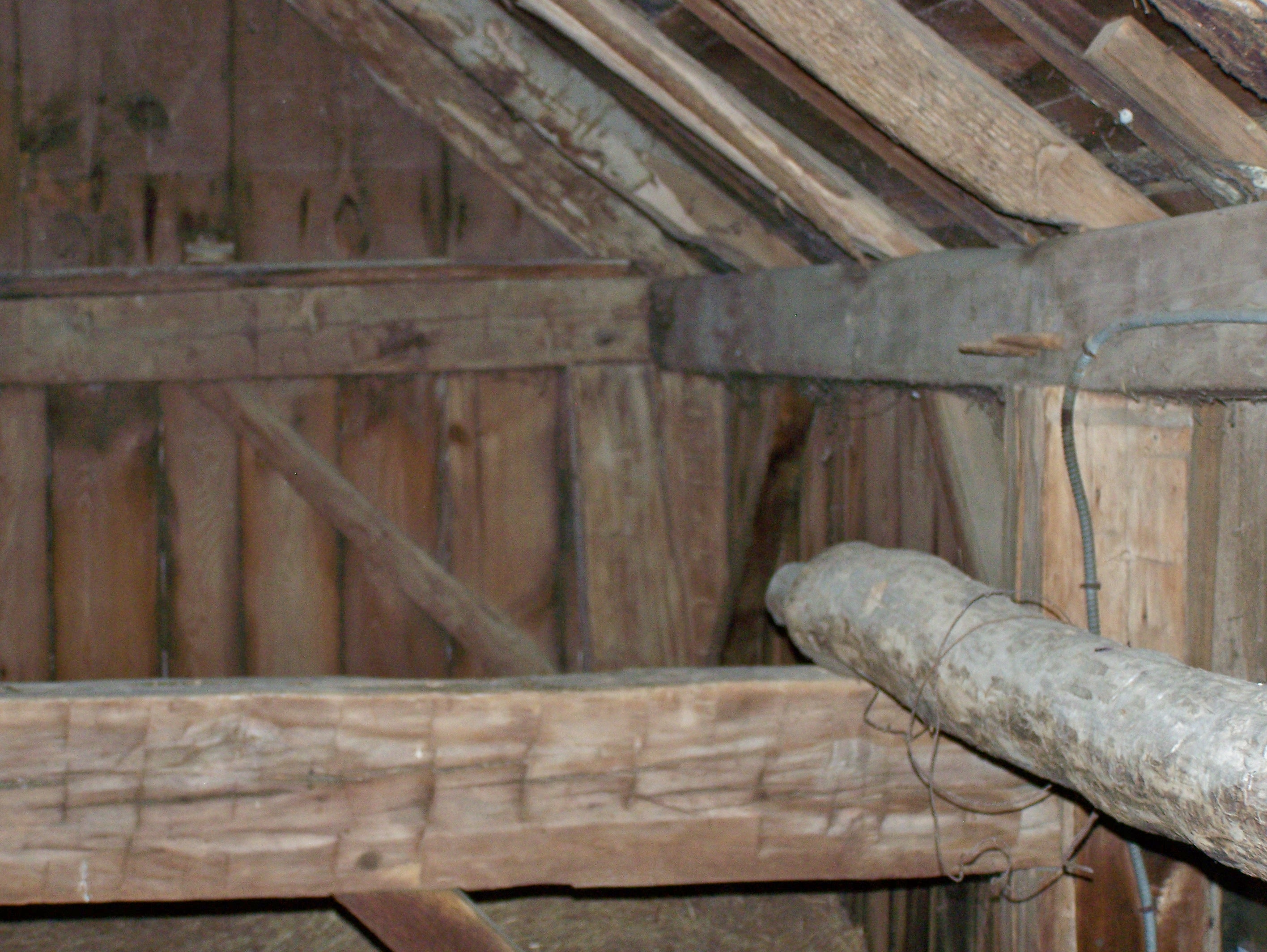
Restored word in a colonial post and beam frame

Note the markings on the timbers

Often times, when I first come to visit a historic property, the current owner will tell me a bit of the history of the building. Handed down over the generations, these buildings hold stories of love and family, of tragedies and miracles. Just this past week, I wrote in my blog about the Ira, VT barn that miraculously survived a fire in the early twentieth century.

Each barn comes with its own unique story, a collection of physical evidence and memories that can be felt, heard and learned over the years. Part of the fun of living in an old timber frame is learning about the specific history of that barn. I always enjoy exploring this history together with my clients and trying to uncover as much as I can by speaking to previous owners and neighbors and by making careful observations of the wood.

—————–

Do you think I missed a good reason to restore an old barn? Let me know and we’ll add it to the list!

Go back

Your message has been sent

Warning
Warning
Warning
Warning

Warning.

The Barn that Almost Wasn’t

In my last blog, I wrote about the Ira, Vermont 1770s timber frame barn that I am currently working to restore. Here is the tale about how this barn did not burn down 85 years ago.

Ira Vermont old barn_ timber frame barn homes

A twice-saved barn

What follows is a true story, recounted to me by the gentleman whose family owned the Ira barn for generations. The picture below shows his grandmother, Lila, as a young girl, in about 1906. When the fire took place, she would have been about 35. 

Grandmother_Former Owner of Old Barn in New England that survived Historic Fire

About 85 years ago, his grandfather, Grant, was working in the barn during a torrential spring thunderstorm. A bolt of lightning struck the metal manure track and ignited the  southeast upper corner of the addition’s loft and then traveled along the wall.

In the picture below, you can see where the lighting hit the side of the timber frame structure.

Lightning strike on historic old barn

Loft – floor removed

Farmer Grant sprinted 100 yards to the house, cranked the wall phone twice and called for help. In those days, a double crank would connect with every household in town, and important information could be spread. The message went out, “Our barn’s on fire – bring buckets!”

Crank Phone_19th Century Barn Fire

Crank Phone from around 1930

There were no ponds or hydrants nearby. But miraculously, it was still raining hard and the town road next to the barn was full of potholes. The neighborhood fire crew formed a line, scooped water from the potholes and passed the buckets to others who had scrambled into the smoking barn loft.

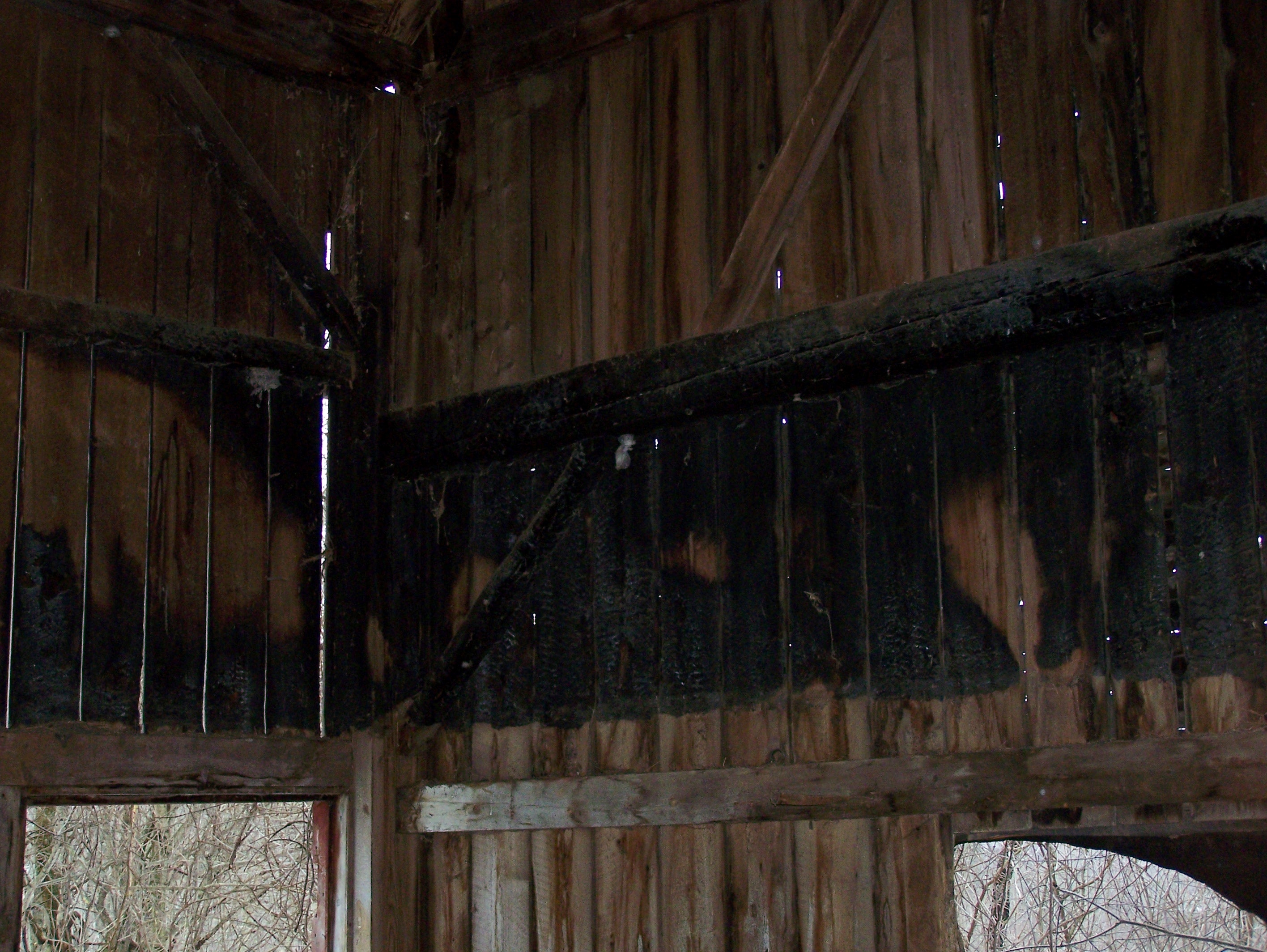
One bucketful at a time, the town of Ira pulled together to save this barn from burning down. Notice the charred timbers. Imagine the smoke! (There must not have been any hay in the loft.)

Opposite end of old barn where fire stopped

Opposite side of old barn where fire was stopped

We are very fortunate that the community helped to save this old barn in the pouring rain. Without the rain, the potholes would not have been full, and the barn certainly would have been lost.

Fire damage on historic barn

Loft – floor still in place

       After the fire, Farmer Grant decided that lighting rods might be a good idea,!

Lighting Rod on Timber Frame Barn

Original lightening rods with glass balls

Meanwhile, restoration is under way here in Vermont on this beautiful timber frame!

Despite the visible charring on the timbers, the old barn frame itself is not structurally damaged. We are going to sand blast the big timber and reuse it; the sand blasting will take off the char. It seems important to include these timbers in the restored frame, as this story is part of its history.

Want to come see the barn in person or visit some of the other timber frames we have here at our shop in Middletown Springs? Please let us know!


Go back

Your message has been sent

Warning
Warning
Warning
Warning

Warning.

240 Years Later – Antique Barn Has a New Home

Back in September, I wrote about this available old barn from Ira, Vermont that was awaiting a new owner with a vision for the next two centuries.

Ira Vermont old barn for sale - timber frame barn homesJust six months later, we are pleased to report that this handsome 1770s timber frame has been purchased. After a complete restoration, we will move the gunstock frame in the spring to its new home in northern Vermont.

Despite the mounting snowfall and frigid temperatures here in Vermont, the mucking out process is well under way. Generations of accumulated treasures/trash have been removed from the barn’s five bays. Four of us guys have put in 150 hours hauling out hay, farm implements, bed frames, furniture, metal, lumber ‘too short to save,’ and more!

Our intention is to have a clean interior to allow accurate measurements to be taken. This will enable the architect to make drawings of the current frame, followed by adjustments for the new owner’s dream.

100_4253

Hauling out hay.

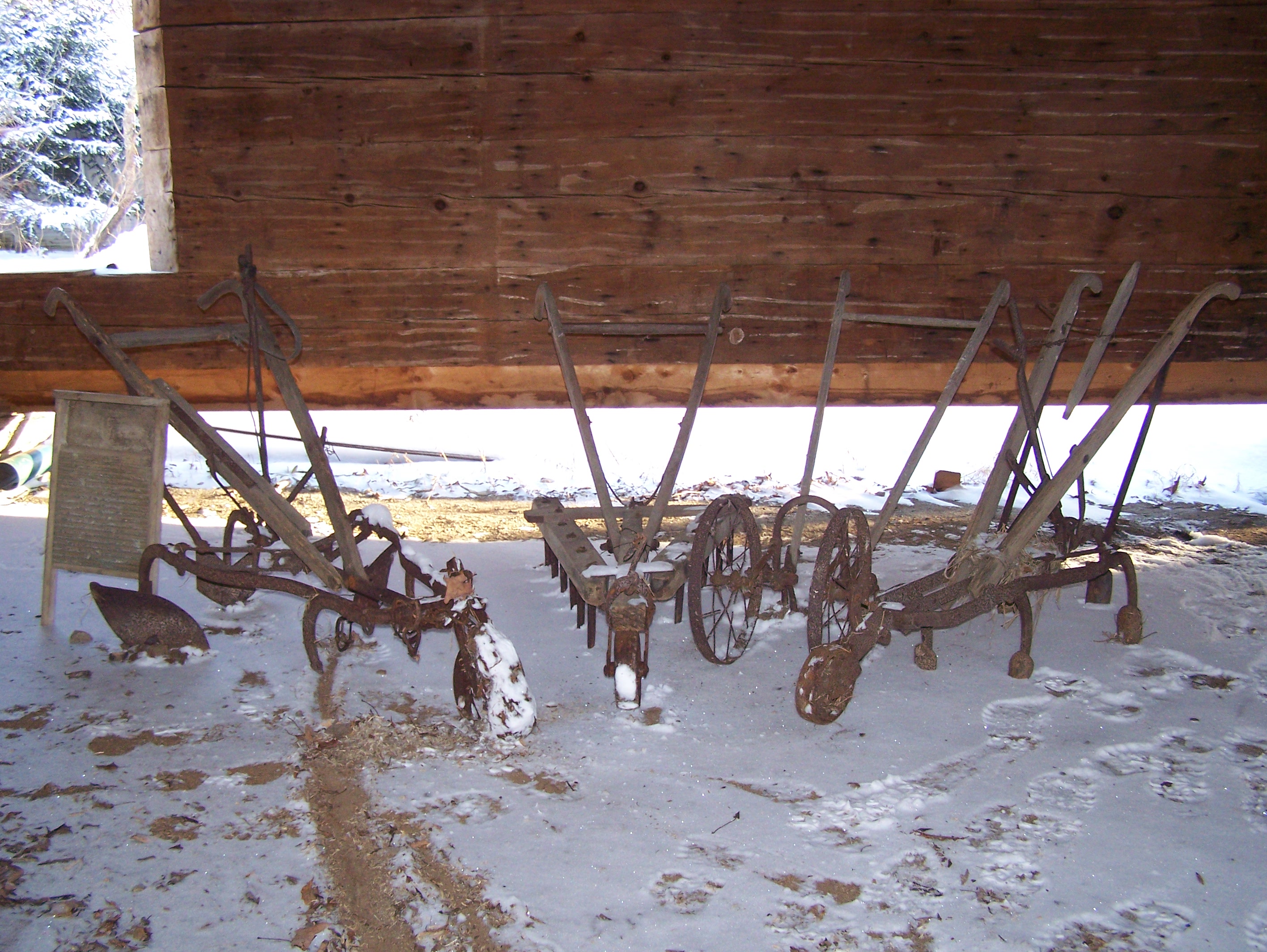
In the second bay, underneath the hay, we discovered three horse drawn cultivators.

Horse drawn cultivators in old barn

Second bay – Horse drawn cultivators

The first bay is falling in. We have braced the timber frame to keep it from further sagging. Horse drawn equipment is stored in this bay, but cannot be removed at this time as it is frozen in the earth. In the mean time, we are being careful to protect it.

Findings in historic old barn

Semi-collapsed first bay.
          Horse drawn equipment.

Our next blog will share the story of why this barn did not burn down 85 years ago…

Stay tuned!

Got a question about old barns?

In 30 years of working with timber frames, I have learned a lot  – not only about timber frame construction itself, but also about the history of colonial America.  So I decided to add a Frequently Asked Questions section to the Green Mountain Timber Frames website. There, and on my blog, I will be sharing some of the knowledge and techniques I have acquired on the job. I am happy to answer any other questions that my readers have, so please feel free to ask them and I will do my best to respond to them on this blog.

Beautiful New England Barn Frame

Here is one of the questions from my website:

How much does it cost to renovate an old barn?                                             

When first approached by customers interested in buying an old barn or renovating a historic timber frame, I am often asked about the costs involved. When creating a proposal for a prospective client, I work hard to make timber frames affordable  and to use every piece of wood the structure has to offer.

Today’s going rate to have experienced craftsmen take down, restore and erect an old timber frame ranges from 50 to 80 dollars a square foot. This includes the cost of purchasing the vintage frame from its original owner. When you purchase a post and beam frame from Green Mountain Timber Frames, we provide all of the wood that comes with the frame, such as siding, roof boards, flooring, etc.  Our prices also include the cost of installing the roof boards when we erect the frame, a bonus not often provided by our competitors.

If you are interested in pricing out a timber frame or finding a historic barn frame in a certain price range, please do contact me! We can explore the options available for realizing your vision of living in a historic barn home.

Gambrel House – Revisited

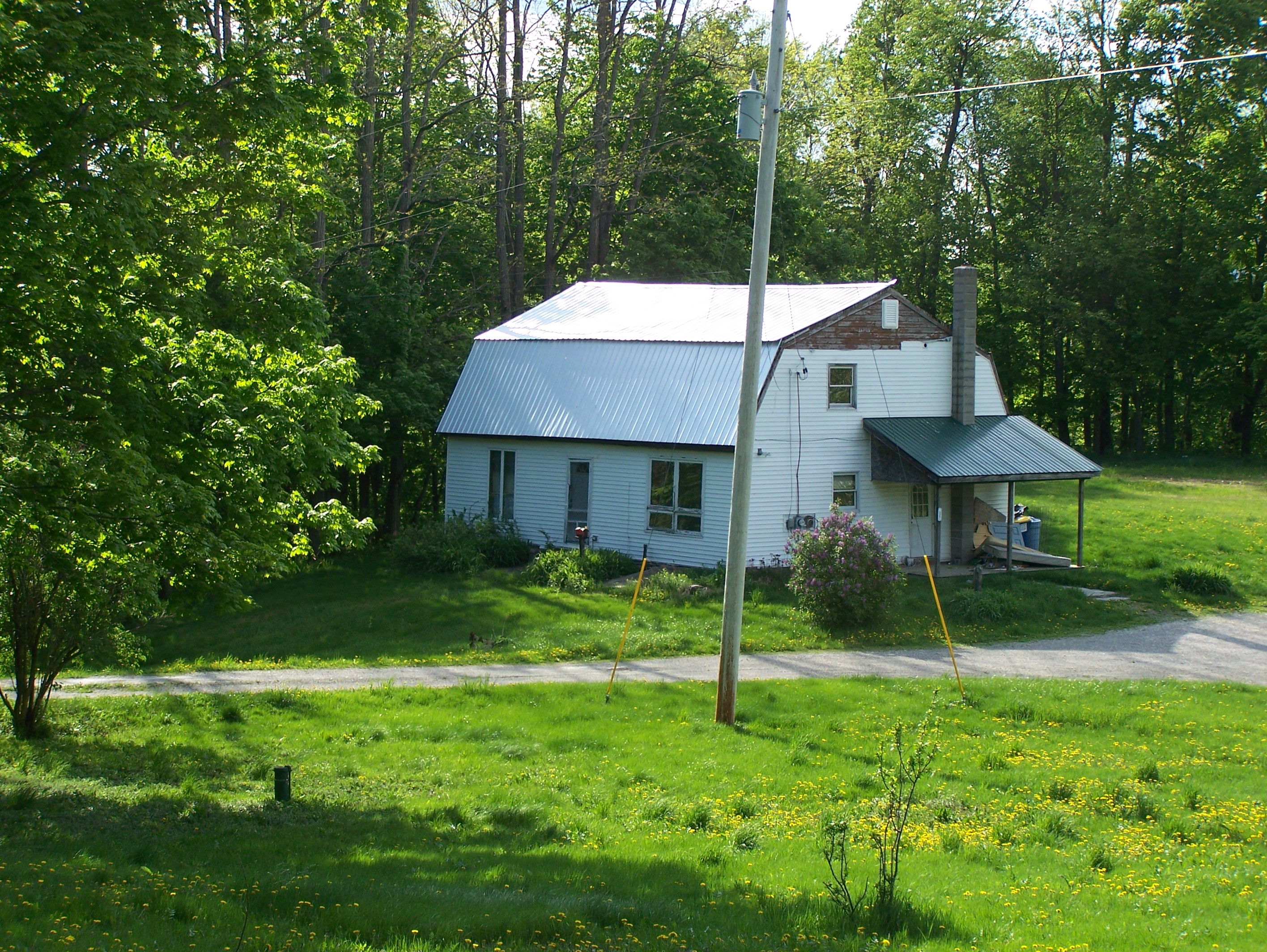
I want to venture back into a previous blog with an update. While this unique Gambrel-style frame doesn’t look any different yet on the outside, things are happening beneath the skin.

I have lots of pictures – inside and out – to show and will be sharing more in the coming weeks. For those of you who missed the last blog, here is a picture of the Gambrel style timber frame house in Danby, VT.

Gambrel Roof Timber FrameThe historic property has a unique Gambrel roof. This style of roof originated in Europe, but the term gambrel is an American one. In the US, gambrel roofs are sometimes called Dutch gambrel. Note the double slope on both sides of the roof; this design allows for a more spacious second story. This particular timber frame measures 28×38 feet and features many gunstock posts.

Half dovetail resting on gunstock post

Half dovetail joint resting on gunstock post in the Gambrel house

(Need a refresher on gunstock posts? Check out this blog!) 

I am working on the restoration together with furniture maker/timber framer Luke Larson. So far, Luke has removed all of the interior walls as well as the second floor wide boards which are made of rare old growth pine.

Wide board flooring before restoration in timber frame barn home

Wide board flooring salvaged from Gambrel second floor

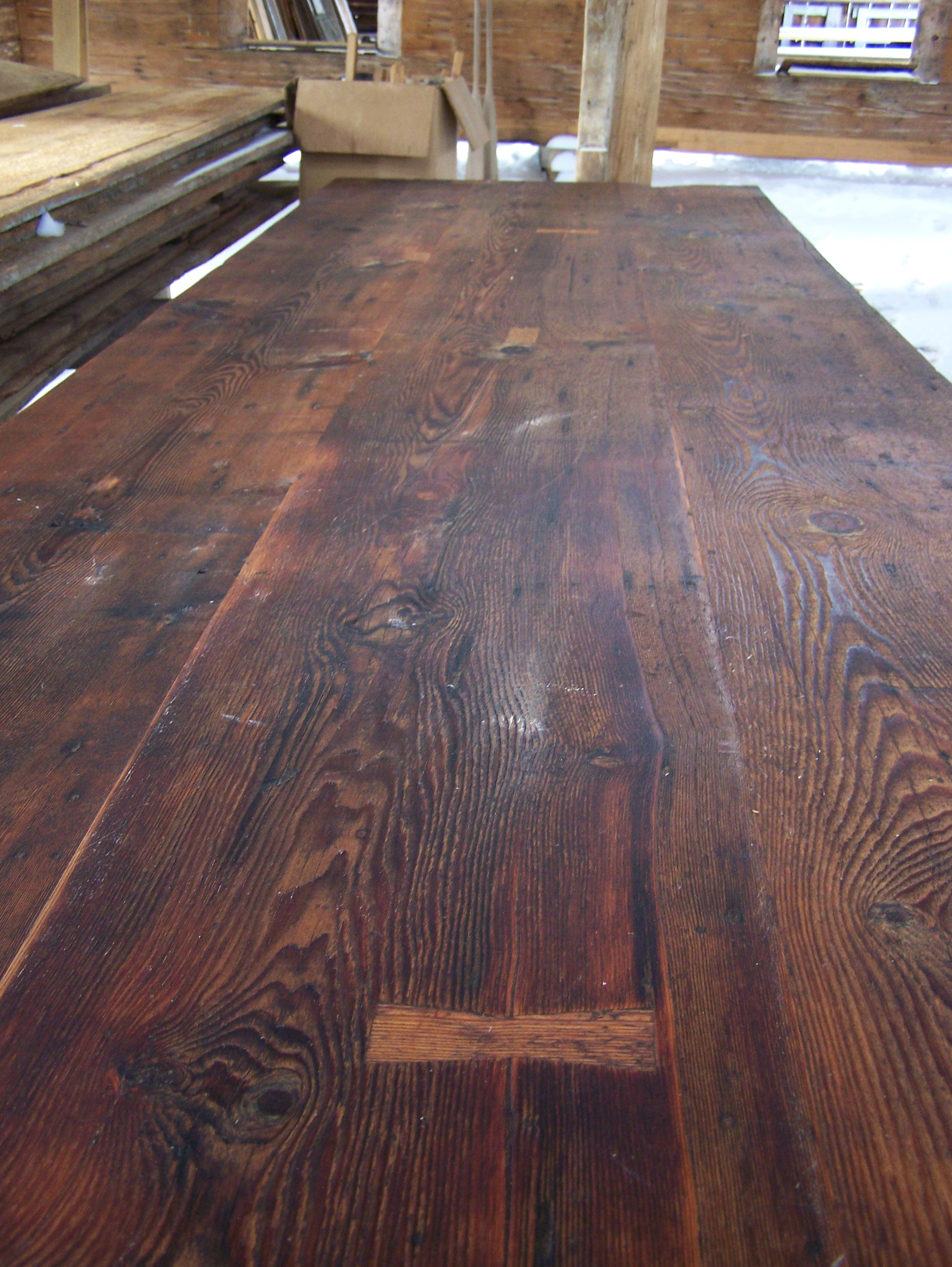
Restored wide board flooring

Similar wide board flooring, restored & turned into a table top

The next phase will be to remove all of the wall and roof boards. Then we can concentrate on carefully dismantling the frame. At that stage, I’ll check back in with pictures of the open timber frame.

One unique feature of this frame is the ceiling in the master bedroom. It has beautiful domed rafters.

Domed Ceiling in Bedroom of Timber Frame

Domed ceiling in bedroom of  Gambrel frame

Here you can see one of the gunstock posts very clearly. Note how it carries two different timbers at the top of the post.

Gunstock post carrying two corners

Gunstock post carrying  both top plate and floor girt.

The wide wall planks can make beautiful tables like below.

Restored wood used as a table in modern home

Table made from restored wall planks.

Lots of beautiful work can be done with the wood we salvage from a vintage house. Here is an example of a staircase made from restored wood.

planks used as a stairway in renovated timber frame

Wooden wall  planks used as a stairway in a restored timber frame home

How old is this Hand Hewn Timber Frame house?                                                    This Gambrel turned up in a 1940 book about historic houses in Rutland County, Vt. According to this book, the frame may be older than we thought – dating from before the 1800s.

Interested in living beneath these timbers?

Who wouldn’t want a master bedroom with a historic domed ceiling from colonial times? Please do be in touch! We have several timber frames for sale, so do contact us with any questions or interest! We always enjoy talking about frames!

Go back

Your message has been sent

Warning
Warning
Warning
Warning

Warning.

1880s Vermont Vintage Barn for Sale

Exploring a new old barn is always fun for me, but it’s especially nice when the frame is a local one and needs little restoration. I do this work because I am passionate about preserving the heritage and craftsmanship of New England. Each barn we are able to rescue feels like history is saved, at least another 100 years or more.

While I’ve been doing this for decades, I still feel the same thrill each time I find a vintage barn in reasonable condition, restore it and transform it for a new owner who will enjoy it for decades to come.

This post and beam barn, dating from the 1880s, comes right from my hometown of Middletown Springs, VT.

middletown springs vermont barn houses

1880s Barn for sale from Vermont

The vintage frame measures 18’x30’ and is built from sawn 8″x 8″  timbers. The person who built the barn used traditional post and beam joinery and the timber frame structure features 4 bents and 3, 10 foot bays.

The interior design is a bit unusual – part corn crib and part something else. My best guess is that the other part of the barn was used as a cheese house or perhaps as lodging for hired help. You can see in the picture below that this separate section of the barn was finished with plaster. I’ll ask around town with the octogenarians, they might remember something from the 30s or 40s.

barn homes vermont - interior

Plastered section of barn interior

While the barn is currently in Middletown Springs, VT, the current owner is hoping that we can find a new owner to enjoy this piece of history. I am happy to help transport it to a new location in New England or New York.

The barn has a beautiful slate roof that is in great condition. It stands 1 and 1/2 stories tall. The floor boards are also in great condition and the half story measures 2’8” making for plenty of head room on the second floor.

vintage post and beam barn

Upstairs interior view of 1880s barn

This old barn is for sale –  – and with 1100 square feet of interior space, it offers lots of possibilities. It could make a very nice first home, a workshop, studio or camp.

For someone looking for a bigger space, we can easily add ten-foot shed additions, which would increase the first floor living space to 28’x38’.

If you are interested, please do let me know! The frame comes complete with siding, roof boards, floor boards, and the slate roof.

post and beam barn for sale

Middletown Springs, VT historic barn for sale

Want to check out this barn or another available timber frame we have in stock, please contact Green Mountain Timber Frames!

Go back

Your message has been sent

Warning
Warning
Warning
Warning

Warning.

Hartford Modified Gunstock Barn

Recently, I left Vermont and drove over the border to New York. I wanted to take a closer look at a recently discovered barn. The barn is one in a group of five historic barns in West Hartford. You can see most of the barns on the Available Frames page of my Green Mountain Timber Frames website. 

The barn measures 22 x 32 ft. and is a “modified gunstock” frame. It has gunstock corner posts with drop girt mid posts. The pictures below help explain what this means.

The gunstock style of barn construction was popular before the 1820s. I would estimate that this beauty of a timber frame was built before the 1800s. It features chestnut timbers and the rafters are half-rounds.

When it comes time to restore this fine structure, we will replace the half-rounds with hand-hewn hardwood rafters salvaged from a late 1700s frame and transform it into a custom home, addition, studio or barn.

Here you can see the view from the front. 

Old Barns for Sale

Historic Barn for Sale

Below is the back of the barn. Note how the back side of this vintage barn isn’t painted – a classic Yankee tradition! I guess they were trying to save some money by only painting the side facing the road.

Old Timber Frame for Sale

Back View of Hartford Historic Barn

This picture shows the five-sided ridge beam. This style of architecture gives more structure to the roof system. Timber framers stopped using ridge beams after the 1840s. By eliminating them, I imagine it made the building process go more quickly.

Gunstock 5 sided ridge beam in timberframe

Five-sided Ridge Beam in Modified Gunstock Frame

The rear corner post below is a gunstock post  – it’s tapered like the gunstock of a rifle. The nearer post on the right is called a drop girt post – not tapered. (Please ignore the round timber). This is why I am calling it a “modified gunstock frame”.  It’s a mystery to me why they chose this combination of styles, using both gunstock and drop girt posts. Perhaps they were trying to simplify the joinery – timber joints.

Corner Post - Gunstock Frame - Old Barns for Sale

Corner Post of the Modified
Gunstock Timber Frame

Below are some more views of the interior:

Antique Timber frames for Sale with Chestnut Timbers

Chestnut Timbers in Vintage Barn Frame

Interior of 19th Century New England Timber Frame Barn

Interior of Timber Frame Barn

Please let me know if you are interested in visiting this timber frame gem or seeing the other antique timber frames for sale at Green Mountain Timber Frames –  we encourage visitors! These strong wooden beams would really make a beautiful home or business space.

If you would like to see this frame, or another available timber frame we have in stock, please contact Green Mountain Timber Frames!

Go back

Your message has been sent

Warning
Warning
Warning
Warning

Warning.

Barn Raising – A good week’s work

We had a great time last week getting this vintage timber frame up in Manchester, Vermont. The post and bean frame with hand hewn wood was originally built around 1800, in Middle Granville, NY.

It was a beautiful week and we worked surrounded by the vibrant colors of near-peak foliage and under the watchful eye of Mount Equinox in the background. Thank God,  the weather was perfect!

Here are some pictures showing the highlights:

Manchester VT Raising - Beautifully restored timber frame beams

Beautifully restored timber frame beams

Saturday Restoring Historic Timber frame

Last Saturday’s work – restoring the frame and getting the primary timbers up

Saturday Timber Framing in Manchester VTAfter erecting the main timbers over the weekend, we spent last Monday focused on placing the roof rafters. We also pegged most joints in the frame with wooden trunnels.

Restoring Historic barn in Vermont

With help from a Grade All, and the view of Mount Equinox in the background.

Here we are installing the roof rafters.

Vermont Timber Framing with Mount Equinox in Background

Adding Roof Boards to Manchester Vermont Timber Frame

Adding roof boards to timber frame

Applying roof boards to Vintage Timber Frame

Adding tar paper over roof boards, as we installed the original boards.

Outhouse in Rural Vermont Best Part of Timber framing

An important part of setting up a timber framing work site: moving the outhouse – at arm’s length –  to the proper location.

Finishing Barn Restoration

The completed roof, protected by tar paper.

An Old Fashioned Barn Raising!

Bring Your Camera!
Because it’s time for a barn raising.

On Monday, September 23rd, amid the bright backdrop of Vermont autumn foliage, we’ll be tipping up this beauty of a barn in Manchester, VT.

Originally built around 1800, in Middle Granville, New York, Green Mountain Timber Frames has restored this post and beam gem and will be erecting it on Monday in its new location in Manchester, Vermont!

Dismantling old barn in New York

We headed to Middle Granville, New York to carefully dismantle the original barn piece by piece a couple of years ago.

Restoring historic timber frame

Taking down the historic timber frame in New York

The original barn frame measured 31′ x 51’, but we have shortened it to 41 feet in length, per the request of new owners.

In the photo below, you can see the process we went through to carefully adjust most of the beams. We added in tie timbers where the windows will be placed in the new barn garage.

Renovating Vermont timberframe barn home

Adjusting the timbers and adding in tie timbers for windows

This barn stood beside a house built in 1804, but by our estimates, the barn itself was built several years earlier. Here you can see the majestic, wide beams that make up this historic timber frame.

Huge timbers from 1800s historic home

Interested in seeing a barn raising?  We’ll keep you posted on the progress.

Please contact Green Mountain Timber Frames for questions about historic timber frame barn homes, old barns for sale, barn raisings and more!

Go back

Your message has been sent

Warning
Warning
Warning

Warning.

What Goes Up…Must Come Down

Moving the Gunstock Frame to Its New Home

After a lovely sojourn at Sissy’s Restaurant here in Middletown Springs, VT, it was time for this beautiful historic gunstock timber frame to be taken down and moved to its new home.

Vermont Timber Frames in Middletown Springs

Roof board removal at Sissy’s

With help from Sue – otherwise known as the Vermont JeepGirl – the crew here at Green Mountain Timber Frames worked carefully to take down the frame, piece by piece. 

Vermont Jeep Girl Sue helps us move the historic timber frame

Sue and her crane help us take down the historic timber frame

Timber Frame Barn Homes in Vermont

Dismantling

After carefully dismantling this Vermont post and beam frame, we moved it to its new home where it will become the framework for a beautiful timber frame barn.

Dismantling Vermont Timber Frames

Taking Down the Gunstock Timber Frame

Once the frame was taken down, we moved it 120 miles to its new home where it will stand the test of time for another 250 years – or more.

Our small crew of 5 guys worked a total of 300 hours, beginning work on a Sunday at 4 pm and finishing this fine timber frame barn on the following Friday. Since we were miles from home and our friends and family, the team worked from dawn to dusk to finish the project, carefully joining the historic beams back together.

We were lucky enough to have weather on our side. With only one afternoon downpour,  we all came home a little tanner.

Vermont Post and Beam Homes

Reassembling the timber frame barn

The finished timber frame will have a copper, standing seam roof which should protect the barn for about 100 years.

Vermont Historic Barn Raising

The Newly Raised Barn – to stand another 250 years!

——

If you are interested in a timber frame barn homes or in seeing one of the old barns for sale at Green Mountain Timber Frames, please contact us!

Go back

Your message has been sent

Warning
Warning
Warning
Warning

Warning.